Building Boldly, Together
Our Work
-
![Group of people gathered in a circle in discussion. Items are on round tables in the foreground.]()
Intersect Youth & Family Services
Strategic Planning - 2026
Prince George, BC
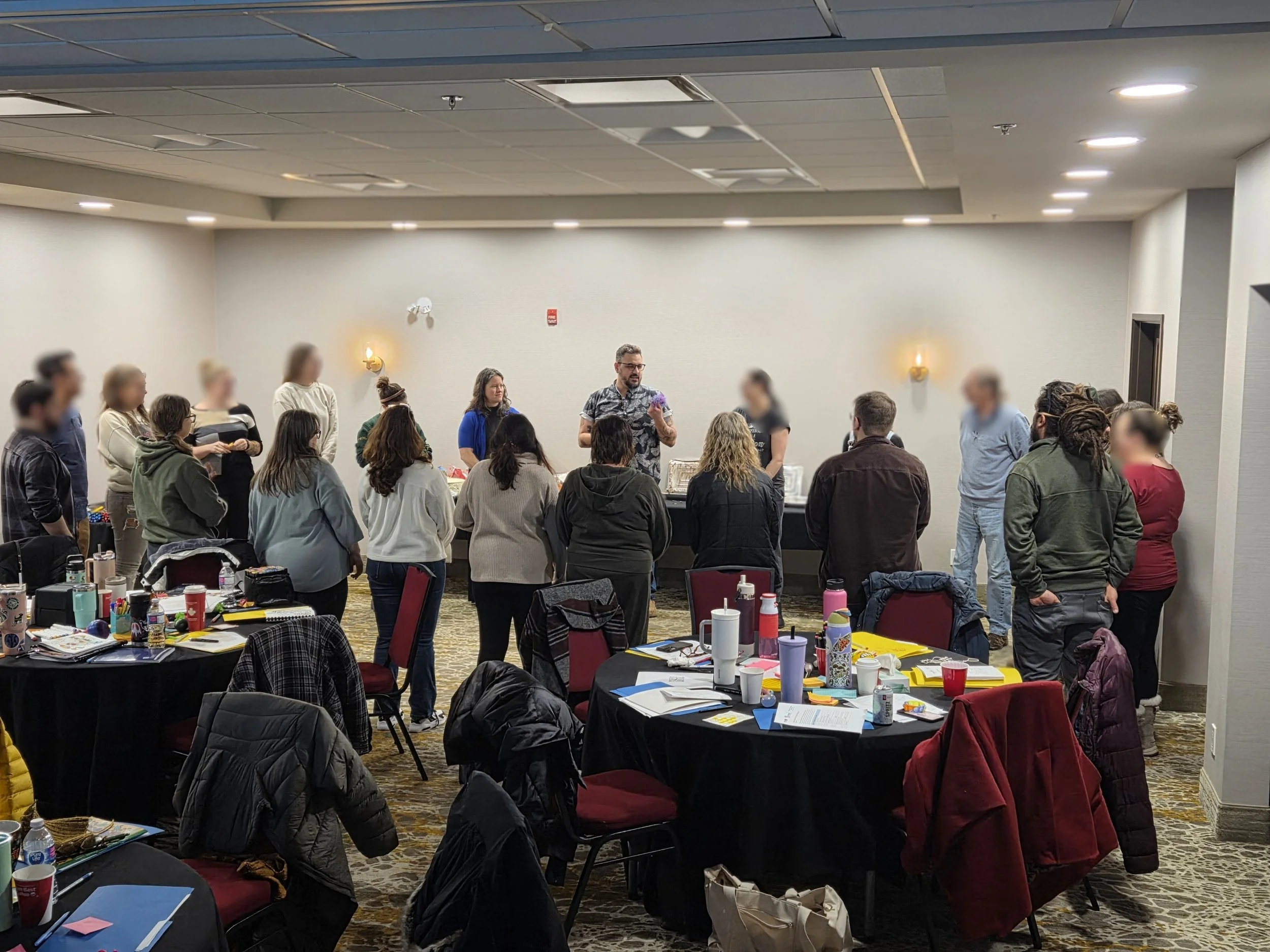
Endura worked closely with Intersect Youth & Family Services to develop and facilitate a four-day Team Retreat and Strategic Planning session with the aim of fostering team cohesion, calibrating organizational values and direction, and prioritizing key initiatives for the care of staff, clients, and the broader community.
-
![Image of two hands gently holding a red ribbon. AIDS Bereavement and Resiliency Program of Ontario. Presence. Compassion. Change.]()
ABRPO
Needs Assessment & Evaluation - 2025
Toronto, ON
Endura led a mixed-methods needs assessment and program evaluation for a provincial non-profit delivering grief and resiliency support to frontline workers in the HIV/AIDS and harm reduction sectors across Ontario. The project integrated surveys, focus groups, interviews, and program evaluation forms with frontline workers, facilitators, peer workers, senior leaders, and partner organization staff, capturing both longitudinal trend data benchmarked against a prior evaluation cycle and deeper qualitative insights. Deliverables included a comprehensive findings and recommendations report, a member-facing What We Heard summary, and actionable strategic recommendations to support program redesign and organizational planning.
-
![Tree lined brick pedestrian lane leading to a cul-de-sac.]()
Social Planning Organization - BC
Market Assessment & Business Proposal Development - 2026
Vancouver, BC
Endura worked closely with a provincial social planning and research organization to lead a multi-phase strategic planning and feasibility initiative as the organization approached a milestone anniversary. The engagement spanned market and workforce needs assessment, an environmental scan of credentialing models across Canadian and international jurisdictions, financial feasibility analysis with cost modeling, and the development of a full certification program architecture. Deliverables included a Board-ready business proposal, a detailed learner's journey and tiered certification model grounded in adult learning principles, a funding model analysis comparing internal and mixed pathways, and a phased implementation roadmap with defined decision gates. -
![]()
Ribbon Community
Community Engagement - 2026
Prince George, BC
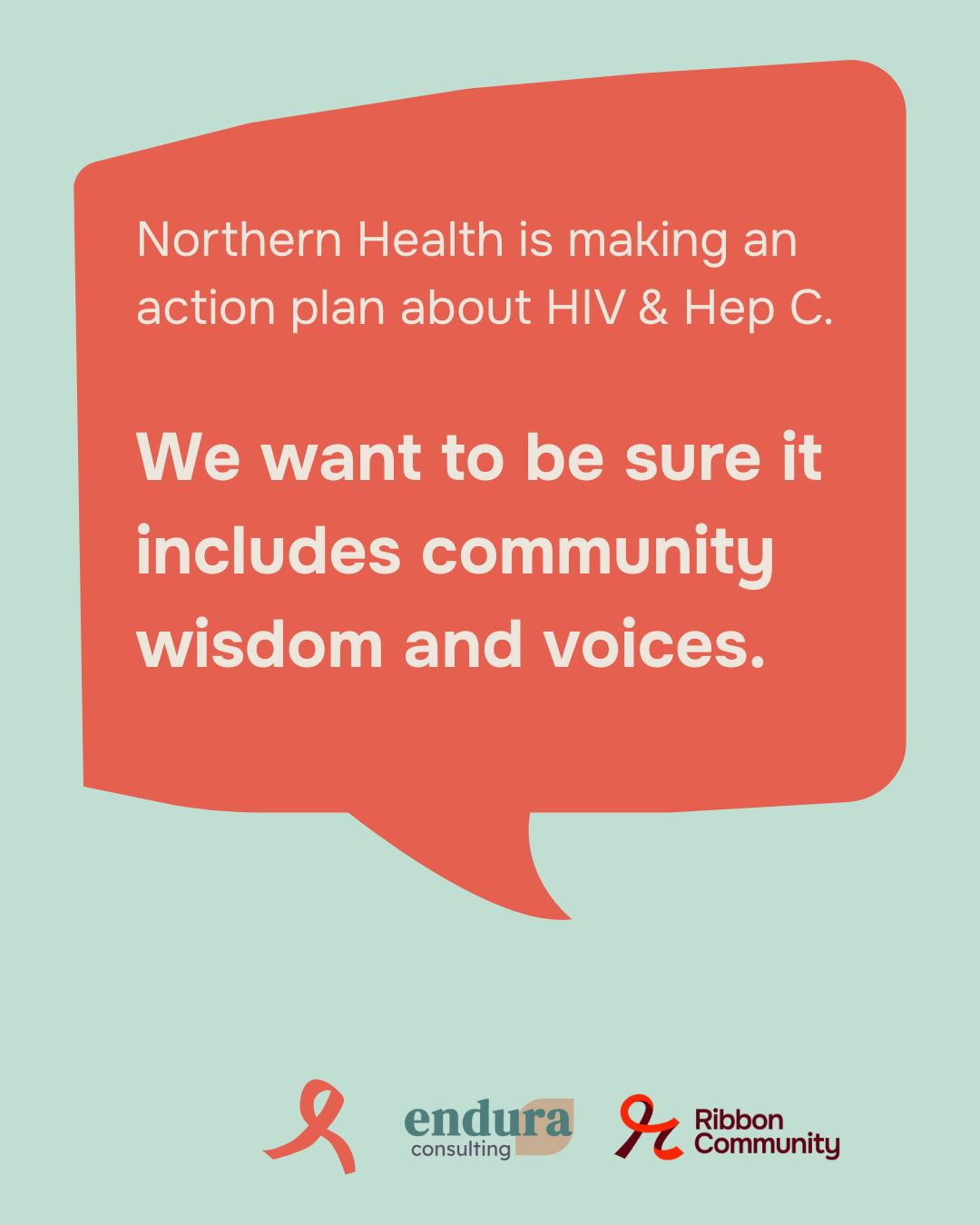
Endura worked alongside two northern BC community health organizations to lead a mixed-methods community engagement initiative gathering lived experience perspectives on a regional HIV and HCV Action Plan developed by a provincial health authority. The project engaged individuals with lived and living experience of HIV and HCV, peer advocates, caregivers, and community service providers across three health service delivery areas in northern BC, collecting 150 perspectives through a community feedback survey, a facilitated focus group, and structured community conversations co-hosted with an Indigenous community health centre. Community conversations were designed and facilitated using trauma-informed and plain-language approaches, with peer and practicum support roles integrated throughout. Findings were synthesized thematically and translated into a What We Heard report with actionable recommendations for the health authority spanning stigma reduction, structural access to care, culturally safe service delivery, peer leadership, and community governance.
-
![]()
Resident Doctors of Canada
Research & Knowledge Translation - 2025
Ottawa, ON
Endura worked closely with a national physician membership organization to lead a mixed-methods research and knowledge translation initiative advancing a systemic occupational health and safety framework for postgraduate medical education. The project included a peer-reviewed literature synthesis, a national environmental scan of policies, standards, and collective agreements across all provincial jurisdictions, interviews with Interested and Affected Parties including provincial physician organizations, postgraduate medical education deans, and national health bodies, and a comparative cross-sector analysis drawing on aviation, rail, maritime, energy, and emergency services industries. Findings directly informed national advocacy positioning, policy development, and collective bargaining support across provincial member organizations.
-
![]()
ABRPO
e-Learning Development - 2025
Toronto, ON
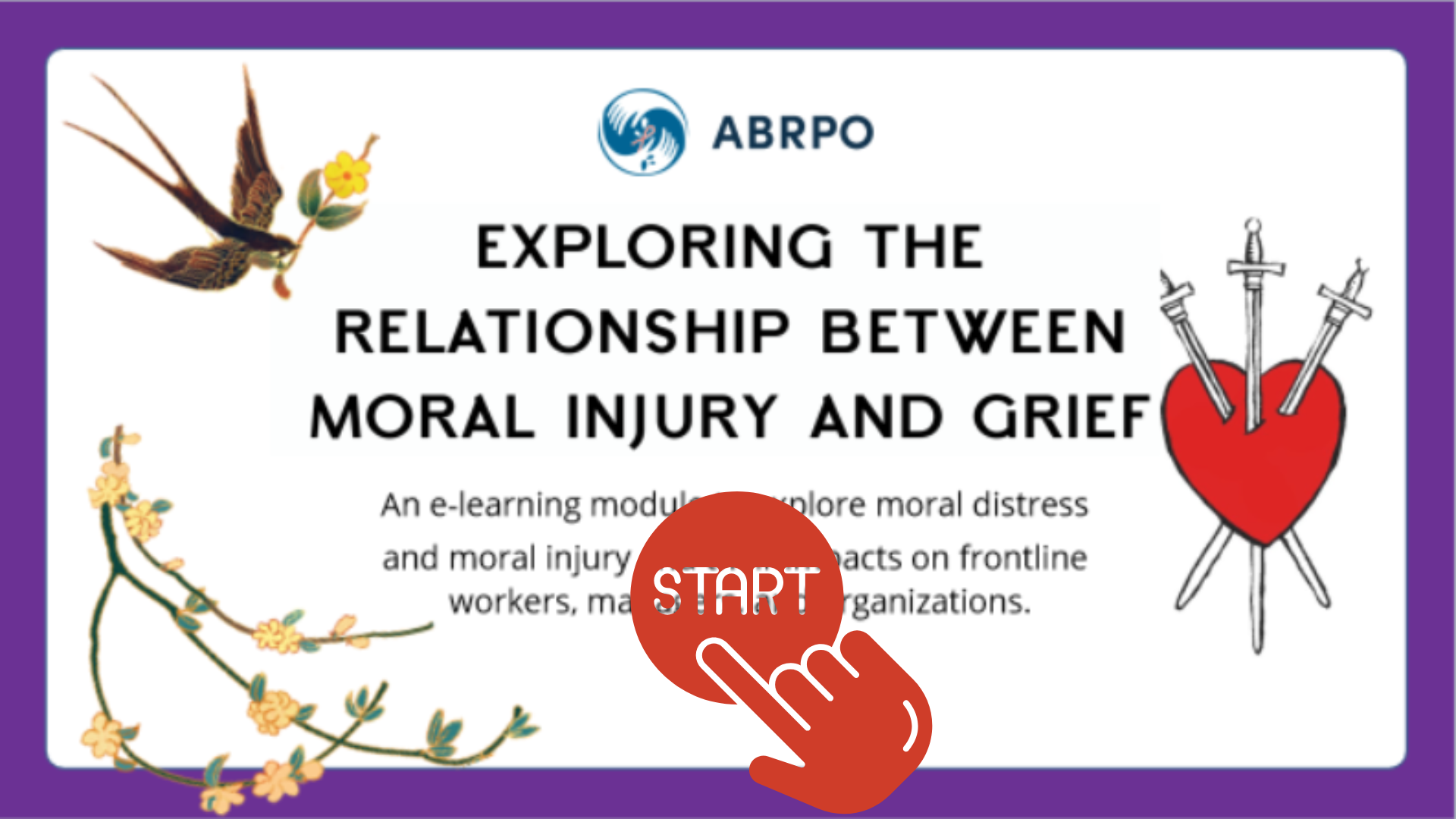
Endura partnered with ABRPO (AIDS Bereavement and Resiliency Program of Ontario) to develop an e-learning module exploring moral distress and moral injury in social service work. The project included a video interview component, content development, and iterative content review, producing a module designed for frontline workers, managers, and executive directors to surface an often unacknowledged occupational strain and build workplace cultures that can navigate ethical dilemmas together.
-
![]()
Canadian Blood Services
Environmental Scan & Strategy - 2026
Ottawa, ON
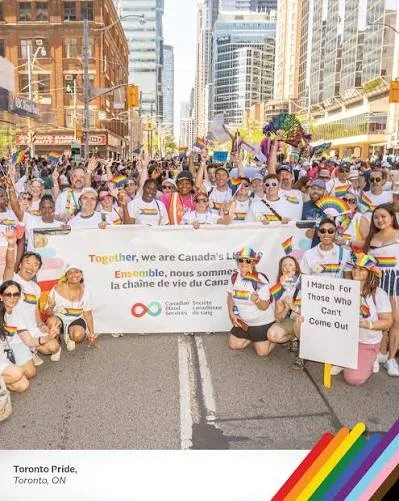
Endura strengthened a comprehensive Pride Season 2026 strategy framework aimed at rebuilding and deepening trust with 2SLGBTQIA+ communities across Canada in collaboration with Canadian Blood Services. The engagement included a review of Pride Season 2025 learnings, an environmental scan of 12 Canadian Pride markets using a combined SWOT and PESTLE methodology, and co-development of an actionable strategy framework covering festival presence, sponsorship, donor recruitment, volunteer engagement, and Rainbow Donation Events. Deliverables included a discovery and recommendations report, a Pride 2026 strategy framework with priorities, roadmap, and implementation milestones, and advisory and co-design support for internally led projects including employee training, community-facing donor materials, and city-specific playbooks. The engagement was grounded in cultural safety and intersectionality considerations, with close attention to the socio-political context shaping 2SLGBTQIA+ community trust in institutions across different regions.
-
![]()
BC Cancer
Learning Session - 2025
Prince George, BC
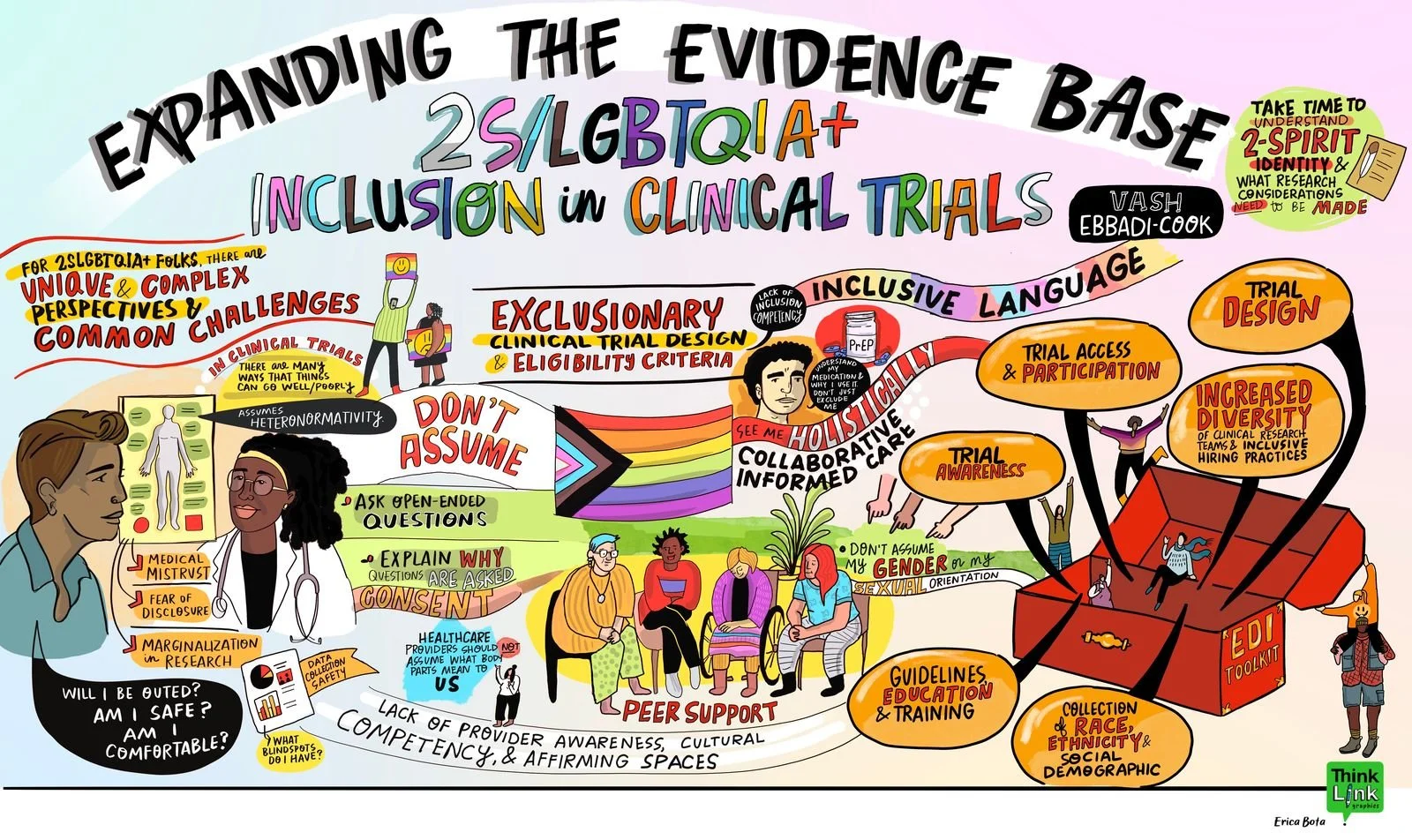
Endura contributed to BC Cancer's Equity, Diversity & Inclusion Community UN-Learning Platform Series (EDI T-CUPS) by designing and facilitating a session for clinical trials staff on 2S/LGBTQIA+ inclusion in cancer research. The session explored the complex barriers 2S/LGBTQIA+ individuals face across the clinical trial journey, including medical mistrust, exclusionary eligibility criteria, and gaps in provider cultural competency, using case-based examples to ground learning in lived experience. The interactive format combined topic overview with structured problem-solving to equip staff with practical, actionable approaches to more inclusive and culturally safe trial conduct.