

Borders in Care
Mapping the Social Determinants of Newcomer Health
Our Project Partners:



About the Project
Borders in Care is a participatory action research project focused on building a community-driven research agenda to understand and address the social determinants of newcomer health in British Columbia. Grounded in principles of equity, inclusion, and collaboration, the project seeks to illuminate how citizenship and immigration status shape access to health and social supports, and to co-develop solutions that foster belonging and wellbeing for all newcomers.
Read our full project launch announcement here.
Research Leads
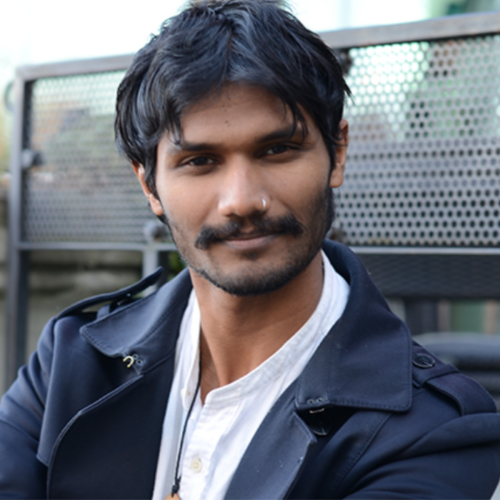
Vishal Jain - Research Co-Lead
Vishal Jain (he/him) is a second-generation Indo-Canadian settler. He resides on the traditional, ancestral, unceded territory of Qayqayt First Nation also known as New Westminster, BC. He is a health researcher and administrative health care leader committed to the advancement of human rights, health justice, and equity. Vishal holds degrees in Human Rights and Public Health from Carleton University and Simon Fraser University (SFU) respectively. He is an implementation science scholar, an Adjunct Professor within SFU’s Faculty of Health Sciences and serves as the Associate Executive Director for the Social Planning and Research Council of British Columbia (SPARC BC).
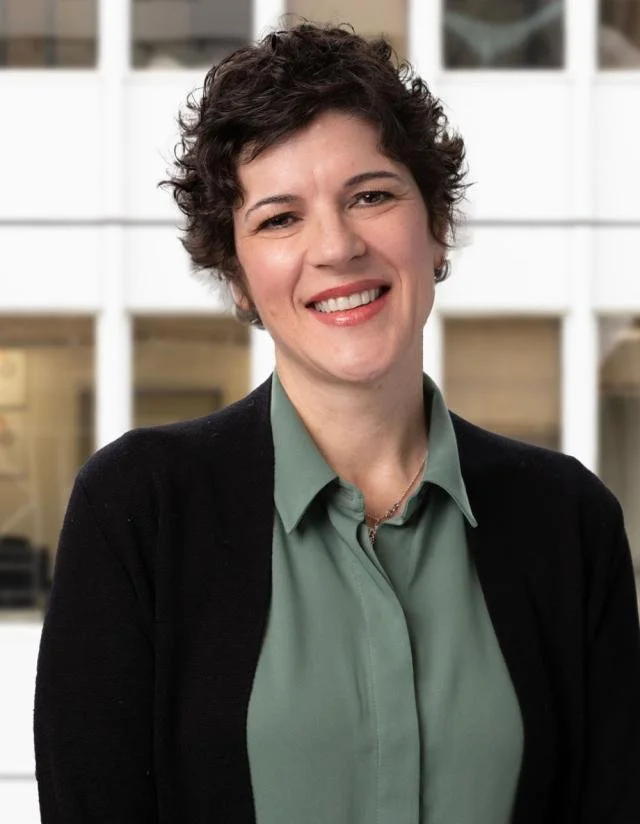
Carolyn Neilson - Research Co-Lead
Carolyn Neilson (she/her) has been a committed member of the YWCA executive leadership team since 2014, bringing nearly three decades of experience in advancing inclusive and community-driven initiatives. She holds a MSc. from the University of Guelph and a BA from the University of British Columbia. Throughout her career in the community sector, Carolyn has championed accessible employment, training, and education programs that are responsive to the diverse needs of individuals, including newcomers and equity-deserving groups. Carolyn is deeply passionate about creating welcoming and empowering spaces through community-based programming.
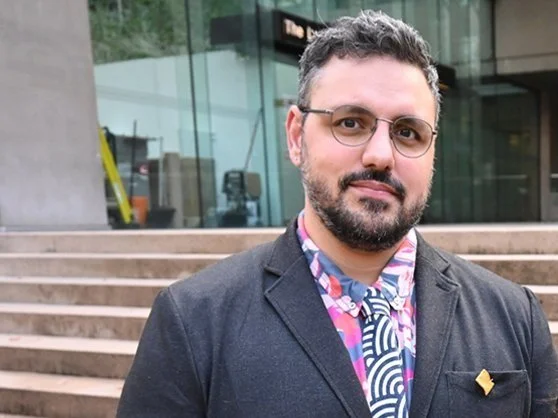
Vash Ebbadi-Cook - Project Director
Vash Ebbadi-Cook (he/they) is a settler, immigrant, and refugee born in Iran and raised in Toronto, Ontario and now lived on the traditional and unceded territory of the Lheidli T’enneh also known as Prince George, BC. Vash has worked in health and social services for over 20 years, and has completed a Master of Public Health from the University of Waterloo, and a Bachelor of Science from the University of Toronto. In 2024 Vash founded Endura Consulting, a firm focused on addressing “wicked” problems and empowering organizations to complex challenges faced by marginalized communities. As values-based organization, Endura Consulting is committed to partnerships that bring about social impact.
Research Team
-
Mustafa Ahmed was born in Somalia, but when war broke out he traveled as a young child to Dabaab, the world’s largest refugee camp in Kenya. The impact of education for him and the other children in the camp was profound, and he was able to attend UBC as a sponsored refugee student, arriving in 2007.
-
Dr. Alex Kent is a fifth-generation settler of British and Dutch ancestry. She currently serves as the Director of Innovation Operations and Knowledge Mobilization at the Jim Pattison Centre for Health Systems Learning and Innovation. She completed a Banting Postdoctoral Fellowship in the Equity Science Lab at UBC-O, and holds a PhD in Health Sciences from SFU and a Master of Public Health from UVic. Dr. Kent specializes in equity-focused, critically oriented qualitative methods and participatory approaches that foreground the voices of communities historically marginalized by systemic barriers. Her research emphasizes coproduction approaches with health system partners, community agencies, and rights-holders, collaboratively implementing and evaluating systems-level solutions that address systemic inequities and promote health justice.
-
Furqana is a Registered Social Worker (RSW) in the province of British Columbia with both graduate and undergraduate degrees in Social Work. She is a second generation immigrant to Canada belonging to a visible minority population. She brings extensive work and volunteer experience on local, provincial, and federal platforms with a passion for inclusivity, diversity, equity, and accessibility. She currently holds a position at Northern Health Authority in a regional team and has been working in the healthcare sector since 2018. She is also a Board Member at the College of New Caledonia where her passion for making positive change in the education system is radiant. Outside of work, she enjoys being a daughter, a sister, a friend, and an auntie.
-
Christine Kouri’s 30-year career in healthcare has focused on identifying inequities and addressing key barriers through measurable and sustainable change. She holds a Bachelor of Science in Nursing and a Master's in Health Administration. Her work to ensure equity for Syrian refugees led to a passion for raising awareness of the barriers faced by newcomers within the healthcare sector. She co-designed the formation of the National Newcomer Navigation Network (N4) to enhance the capacity of healthcare professionals in assuring equity for newcomers through knowledge mobilization and pan-Canadian and intersectoral collaborations.
-
Darlene is an Elder/Ambassador to Lheidli T’enneh Nation in Prince George, British Columbia. Her mother is Mary Quaw and father is Peter Zatorski. Grandmother is Elsie George, Grandfather Augusta Quaw of Lheidli T’enneh nation. Grandmother Annie and Grandfather Karl Zatorski. Darlene is of Grouse clan. Darlene is married to Neil, sons Blake (Laurie), grandsons, Jake and Konnor. Kyle (Neysa), grandson, Kade.
Darlene’s role as an Elder encompasses an ever-expanding scope from protocols of traditional territorial welcoming of guests/people/meetings/special events, offerings of blessings and prayers, opening meetings and circles, acting as a witness in meetings and tribunals, as well as sitting on Aboriginal Advisory Committees. These demands are rising not only because of increasing protocols but because of the wisdom and warmth that Darlene embraces though her gift of bringing people together, along with being able to weaver her insights into the purpose of the gathering, thus interconnecting people, purpose, and spirit.
Darlene’s most vital role in our community is her contribution to education as the Cultural Advisor in the Aboriginal Resource Centre at the College of New Caledonia. Darlene has been a mainstay and fountain of support, teaching, and leadership for students. She has helped them navigate their paths towards academic success. More importantly Darlene has been the critical link throughout the wider network of the College’s quest towards indigenization and reconciliation. She is the educator, mediator, cultural advisor, and spiritual leader for staff, executive, faculty and, of course, students.
Darlene was also appointed the 8th Chancellor of the University of Northern British Columbia. She is the 2nd Indigenous female to hold this role in 34 years of the university’s existence. Darlene is completing her three years in March of 2025 and has been asked to stay on for another three years as Chancellor.
-
Juliana de Souza is an Associate Director at YWCA Metro Vancouver and a community-focused leader dedicated to advancing the economic integration of newcomers, immigrants, and refugees in Canada. She is currently completing a Master of Arts in Leadership at Royal Roads University, where her action-oriented research informs inclusive leadership practices and promotes equitable access to opportunity. Juliana serves on the MAP BC Advisory Council, a province-wide collaborative of more than 40 agencies supporting refugee claimants across British Columbia. With extensive experience in community engagement and program leadership, she leads initiatives that advance newcomer inclusion through equity-driven, workforce readiness, and diversity-focused programs.
-
Nargis Tanai is a Program Manager at YWCA Metro Vancouver. She first joined the organization to lead the Afghan Women’s Employment (AWE) program, supporting newcomer and refugee women with employment and training services. In 2025, she stepped into her current role managing the Aspire program, which focuses on helping immigrant women build confidence, skills, and pathways to meaningful work in Canada. Originally from Afghanistan, Nargis holds a bachelor’s degree in Psychology and moved to Canada in 2022. She brings more than ten years of experience working in community-based programs and supporting people through the challenges of settlement and integration. Her approach is shaped by her own lived experience as an immigrant, and she values inclusive, culturally responsive, and trauma-aware services that meet people where they are. Nargis is committed to working alongside communities to create welcoming and supportive spaces where all women feel seen, heard, and empowered.
Upcoming Activities
Please watch this space for details on upcoming opportunities to support our work and sign-up below to receive updates and information about the Borders in Care project.